


When you think of a fireplace, the first image likely conjured is one of warmth and comfort. But beyond their traditional role of providing heat, fireplaces have emerged as powerful design elements that not only anchor a room but also define its function.
Whether in an open-concept home or within more structured layouts, fireplaces are increasingly being used to create distinct zones and guide room dynamics.
Here’s how this timeless feature can warm up your home while enhancing its functionality.
Fireplace as a Natural Focal Point
A fireplace effortlessly draws the eye, making it a natural centerpiece in any room. By emphasizing its position, you can designate certain areas of your home for specific purposes. For example, placing a fireplace in the corner of an open-concept space can carve out a cozy nook for reading or relaxation. Meanwhile, a central placement between the dining and living areas can act as a bridge, visually connecting the two zones while giving each a sense of autonomy.
The way a fireplace defines a room often depends on where it is located and how it’s styled. With sleek, modern fireplaces, you can create a minimalist division that complements open spaces. On the other hand, a more traditional mantel-style fireplace can help ground a room and evoke a sense of intimacy.
Thermal Zoning for Distinct Functions
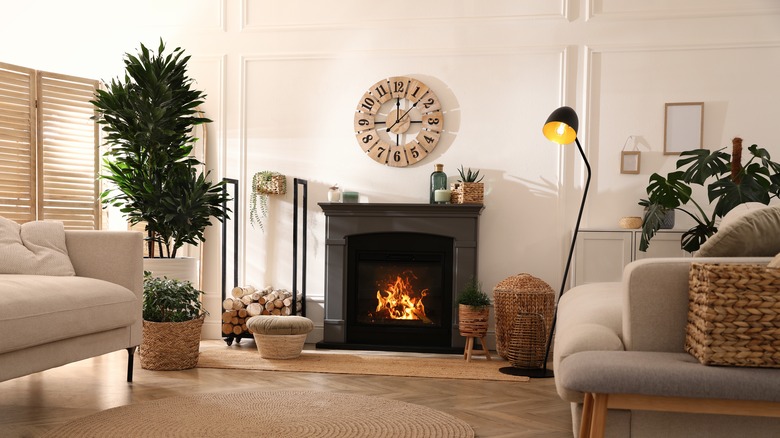
Fireplaces can also play a practical role in separating spaces through thermal zoning. By generating localized heat, they allow for areas within the home to serve different purposes without relying solely on central heating. For instance, a fireplace in your family room provides concentrated warmth for relaxation without needing to crank up the temperature in less-frequented areas like hallways or spare rooms.
This is particularly beneficial in homes with high ceilings or large, open layouts where heat tends to dissipate. By utilizing fireplaces to focus warmth on key areas, you can create different zones that feel cozy and inviting, tailoring the atmosphere to each space’s intended use.
Adding Character and Personalization
Fireplaces aren’t just about dividing spaces, they’re also a canvas for expression. The materials and style you choose can enhance the character of a room while emphasizing its purpose. A weathered brick fireplace might lend a rustic charm to a den, while a sleek, glass-enclosed fireplace adds sophistication to a minimalist modern living room.
By pairing the fireplace’s design with complementary decor, such as tailored seating arrangements or textured rugs, you can further solidify the identity of a space.
Conclusion
Fireplaces have always been symbols of comfort and community, but their role in defining spaces and guiding room function shows they’ve evolved to meet modern design needs. Whether you’re looking to transform your open-concept layout or add depth and purpose to individual rooms, fireplaces provide both practical and aesthetic solutions.
With just the right placement, style, and creative vision, a fireplace can shape your home into a warm, functional, and truly inspiring space.
