

Historical Use and Widespread Application
Asbestos? Yeah, it was everywhere for a long time. I mean, think about it: houses, schools, factories – you name it. It was the go-to for insulation because it was cheap and fireproof. People didn’t really know the dangers back then, so it got used in all sorts of stuff. It’s kind of crazy to think about now, knowing what we do. It was used so much because:
- It was readily available.
- It was inexpensive.
- It had excellent insulation properties.
Microscopic Fibers and Their Persistence
Okay, so here’s the really scary part. Asbestos is made up of tiny, tiny fibers. Like, you can’t even see them with the naked eye. And these fibers? They don’t break down. They just hang around, especially if they get into your lungs. That’s why it’s such a problem. They’re so small they can easily become airborne, and once they’re in your system, they can cause some serious damage. It’s like they’re designed to cause trouble. The fibers are:
- Extremely small.
- Durable and non-biodegradable.
- Easily inhaled.
Latency Period of Asbestos-Related Diseases
This is what makes asbestos so sneaky. You might breathe in those fibers today, but you might not get sick for like, 20, 30, even 40 years. That’s the latency period. So, you might not even connect your illness to that old insulation in your attic. It’s a ticking time bomb, basically. That’s why it’s so important to be careful and get things checked out if you suspect asbestos. If you are concerned about asbestos fibers, get it checked out.
- Symptoms can take decades to appear.
- Diagnosis can be difficult due to the long delay.
- Early detection is crucial for better outcomes.
Health Risks Associated with Asbestos Exposure
Asbestos, while seemingly harmless when undisturbed, poses significant health risks when its fibers become airborne and are inhaled. The danger lies in the fact that these fibers, once lodged in the body, can cause a range of serious and often fatal diseases like Mesothelioma. It’s not something to take lightly, and understanding the potential consequences is key to protecting yourself and your family.
Understanding Mesothelioma Development
Mesothelioma is probably the most well-known disease linked to asbestos exposure. It’s a rare and aggressive cancer that affects the lining of the lungs, abdomen, or heart. The scary thing about mesothelioma is that it can take decades to develop after the initial exposure to asbestos. It’s a tough one to treat, and the prognosis is often poor. The exact mechanisms of how asbestos causes mesothelioma are still being studied, but it’s clear that there’s a strong connection. If you’re concerned about potential exposure, it’s worth looking into asbestos diseases and their symptoms.
Asbestosis: A Chronic Lung Condition
Asbestosis is another serious respiratory illness caused by inhaling asbestos fibers. Over time, these fibers cause scarring of the lung tissue, making it difficult to breathe. The lungs lose their elasticity, and it becomes harder and harder to get enough oxygen. Symptoms include:
- Shortness of breath
- Persistent coughing
- Chest tightness
Asbestosis is a chronic condition, meaning it gets worse over time. There’s no cure, but treatments can help manage the symptoms and improve quality of life. Early detection is important, so if you think you’ve been exposed to asbestos, talk to your doctor about potential health risks.
Increased Risk of Lung Cancer
Asbestos exposure significantly increases the risk of developing lung cancer. The risk is even higher for people who smoke. The combination of smoking and asbestos exposure creates a synergistic effect, meaning the risk is greater than the sum of the individual risks. Lung cancer can develop many years after exposure, making it difficult to link directly to asbestos in some cases. Common symptoms include:
- A persistent cough that worsens over time
- Chest pain
- Shortness of breath
Regular check-ups and screenings are important for anyone with a history of asbestos exposure, especially if they also smoke or have a history of smoking. Early detection can improve the chances of successful treatment.
Identifying Asbestos Insulation in Your Home
Common Locations for Asbestos Materials
Asbestos insulation wasn’t just used in one place; it was all over the house! Knowing where to look is half the battle. You’ll often find it around pipes, especially in older homes. Boilers and furnaces were also prime spots for asbestos lagging. Attics and walls? Yep, those too. Think of any area that needed insulation, and there’s a chance asbestos was used. Don’t forget about things like old floor tiles or even some types of roofing. It’s kind of scary how widespread it was, honestly.
Visual Cues and Material Characteristics
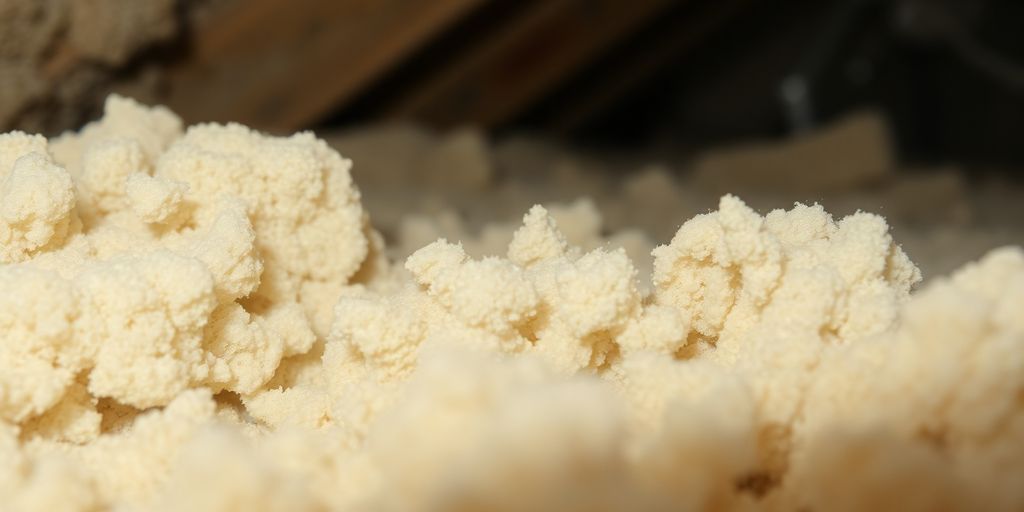
Okay, so you’re looking around, but what does asbestos insulation look like? Well, it depends on the type. One common type is vermiculiteinsulation, which looks like small, pebble-like pieces. It’s usually gray-brown or silvery-gold. Another type is pipe lagging, which is often a white or grayish material wrapped around pipes. Be careful though, because other materials can look similar. Here’s a quick rundown:
- Vermiculite: Pebble-like, gray-brown or silvery-gold
- Pipe Lagging: White or gray wrapping around pipes
- Sprayed-on Insulation: Fibrous, often gray or white
The Importance of Professional Assessment
Look, trying to figure out if you have asbestos yourself is risky and honestly, not worth it. The best thing you can do is call in a professional. They have the training and equipment to safely identify asbestos. Plus, they can take samples and get them tested. Don’t try to DIY this! It’s just not safe. The EPA advises testing suspect materials, and a pro can handle that for you. It might cost some money, but it’s a small price to pay for your health and peace of mind.
Disturbance and Release of Asbestos Fibers
Activities That Can Liberate Asbestos
So, you’ve got asbestos in your house. Big deal, right? Wrong. It’s only a problem when you mess with it. Certain activities can really stir up trouble, releasing those nasty asbestos fibers into the air. Think about it: any kind of demolition, renovation, or even just some DIY projects could be the culprit.
Here’s a quick rundown:
- Removing old flooring or tiles
- Cutting or drilling into walls or ceilings
- Disturbing insulation around pipes or in the attic
Basically, anything that involves sawing, sanding, breaking, or scraping materials that contain asbestos is a no-go. It’s like poking a sleeping bear – you’re just asking for trouble. If you’re planning any work on an older home, it’s always best to get things checked out first. Better safe than sorry, right?
Airborne Contamination and Inhalation Pathways
Okay, so you’ve stirred up some asbestos. Now what? Well, those tiny fibers become airborne, and that’s where the real danger begins. Inhalation is the primary way asbestos enters your body, and once those fibers are in your lungs, they can cause some serious damage over time. It’s not like you’ll instantly feel sick, but years down the line, you might regret breathing in that dust.
Think about it this way:
- The fibers are microscopic, so you can’t see them.
- They can stay suspended in the air for hours.
- They can easily be inhaled by anyone in the vicinity.
It’s not just the person doing the work who’s at risk. Family members, pets, even neighbors could be exposed if the fibers drift outside. That’s why containment and proper safety measures are so important. You don’t want to turn your home improvement project into a health hazard for everyone around you. Asbestos exposure is no joke, and it’s better to take precautions.
Preventing Accidental Exposure
Alright, so how do you avoid accidentally turning your home into an asbestos-filled nightmare? The key is prevention. If you suspect you have asbestos in your home, don’t just start tearing things apart. Get a professional assessment first. They can test materials and tell you exactly what you’re dealing with.
Here are some steps you can take:
- Get a professional inspection: This is the most important step. Don’t guess – know for sure.
- Avoid disturbing suspect materials: If you know something contains asbestos, leave it alone.
- Use proper safety gear: If you absolutely have to work with asbestos-containing materials, wear a respirator, gloves, and protective clothing.
And remember, if you’re not sure, it’s always best to call in the pros. Disturbing home materials can have serious consequences, so don’t take any unnecessary risks. It might cost a bit more upfront, but it’s worth it for your health and peace of mind.
Professional Asbestos Abatement Procedures
Containment and Removal Protocols
So, you’ve found asbestos. Now what? Don’t even think about tackling this yourself. Professional asbestos abatement is a whole different ballgame. The first step is always containment. Think of it like building a fortress to keep those nasty fibers from escaping. They’ll shut down the HVAC, seal off the area with plastic sheeting – the works. Asbestos removal is a serious business. Then comes the actual removal, which involves specialized equipment and techniques to minimize fiber release. It’s not just ripping stuff out; it’s a carefully orchestrated process.
- Area isolation
- Negative air pressure
- Use of HEPA vacuums
Safe Disposal of Asbestos Waste
Once the asbestos is out, it can’t just go in the regular trash. Nope. It has to be disposed of properly, according to regulations. This usually means double-bagging it in special containers and transporting it to a designated landfill. It’s all about preventing further contamination. The containers are clearly labeled, and there’s a whole paper trail to ensure it ends up where it’s supposed to. It’s a pain, but it’s necessary.
- Specialized containers
- Designated landfills
- Strict transportation protocols
Post-Abatement Air Quality Testing
Okay, so the asbestos is gone, but how do you know for sure the air is safe? That’s where post-abatement air quality testing comes in. They’ll bring in experts to take air samples and analyze them to make sure there aren’t any lingering fibers floating around. If the air quality doesn’t meet the standards, they’ll have to go back and do more cleaning. It’s like a final exam to make sure the job was done right. Getting an asbestos certificate is a must for this type of work.
- Air sampling
- Laboratory analysis
- Clearance standards
Living Safely with Undisturbed Asbestos
It’s a tricky situation when you find out your home has asbestos. The good news is, if it’s undisturbed, it’s usually not an immediate threat. The real danger comes when asbestos-containing materials are damaged or disturbed, releasing those nasty fibers into the air. So, what can you do to live safely with it?
Encapsulation and Enclosure Strategies
One way to deal with asbestos is through encapsulation. This involves sealing the asbestos-containing material with a protective coating. Think of it like painting over it with a special sealant that prevents fibers from becoming airborne. Enclosure is another option, where you build a barrier around the asbestos material, like putting up a new wall in front of an asbestos-containing one. Here are some things to consider:
- Choose the right method: Encapsulation is good for surfaces, while enclosure works better for larger areas.
- Use appropriate materials: Make sure the sealant or barrier is designed for asbestos.
- Professional help: Seriously consider hiring someone who knows what they’re doing.
Regular Monitoring and Inspection
Just because asbestos is undisturbed now doesn’t mean it will stay that way forever. Regular monitoring and inspection are key. Keep an eye out for any signs of damage, like cracks, tears, or water damage. If you spot something, don’t mess with it yourself. Call in a pro to assess the situation. Here’s a simple checklist:
- Check regularly: At least a couple of times a year.
- Look for damage: Cracks, tears, or water stains are red flags.
- Document everything: Keep a record of your inspections.
Educating Occupants on Asbestos Risks
Everyone living in the home needs to be aware of the asbestos and the risks involved. This isn’t something to keep secret. Make sure everyone knows where the asbestos is located and what activities could disturb it. Knowledge is power, and in this case, it can help prevent accidental exposure. Here’s what to cover:
- Location of asbestos: Show them exactly where it is.
- Activities to avoid: Explain what not to do near the asbestos.
- What to do if damaged: Make sure they know who to contact if they see damage. To ensure asbestos safety, avoid all contact with hazardous materials and take precautions to prevent damage to any materials that might contain asbestos. Improper asbestos removal without safety measures can cause exposure and illness. Always hire trained professionals for asbestos abatement.
Legal and Regulatory Frameworks for Asbestos
EPA Guidelines and Regulations
The Environmental Protection Agency (EPA) plays a big role in regulating asbestos in the United States. The EPA sets rules to protect people from asbestos exposure, and these rules cover a lot of areas, from schools to workplaces. For example, the EPA has regulations about how to handle asbestos removal during building demolitions. They also have rules about what products can contain asbestos. It’s a complex web of regulations, but the main goal is to keep asbestos out of the air and away from people.
State and Local Asbestos Requirements
While the EPA sets the baseline, states and even local governments can have their own asbestos regulations. These can be stricter than the federal rules. For instance, a state might require special licensing for asbestos abatement contractors, or a city might have specific rules about disposing of asbestos waste. It’s important to check both state and local laws to make sure you’re following all the rules. These regulations often cover things like:
- Permitting for asbestos work
- Training requirements for workers
- Air monitoring during abatement projects
Homeowner Responsibilities and Liabilities
Homeowners have responsibilities when it comes to asbestos in their homes. If you’re planning to renovate or demolish a building that might contain asbestos, you’re often required to have it inspected by a certified asbestos professional. You might also be liable if you don’t handle asbestos properly and someone gets exposed. It’s a good idea to understand your legal obligations before you start any work that could disturb asbestos. It’s also worth noting that asbestos bans are not universal, and the legal landscape can be confusing.
