

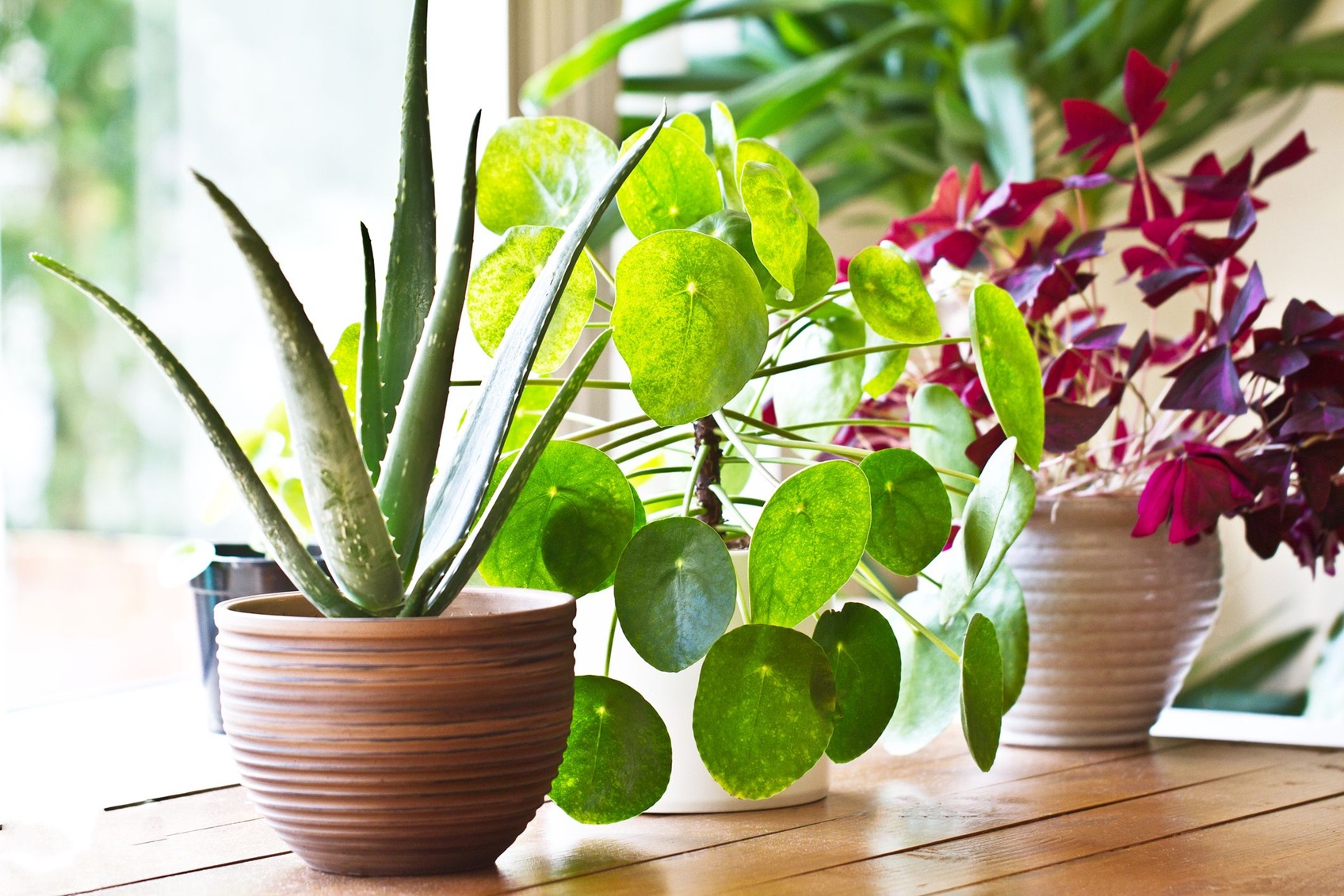
Houseplants are often praised for their ability to purify the air and improve our well-being, but did you know they can also play a role in enhancing your home’s insulation? While they may not replace traditional insulation materials, strategically placing plants indoors can help regulate temperature, improve humidity levels, and even reduce energy consumption.
Here’s how houseplants can improve your home’s insulation naturally and some practical tips to maximize their benefits.
The Science Behind Plants and Energy Efficiency
Houseplants may not seem like obvious insulation aids, but they contribute to energy efficiency in a few surprising ways.
Natural Humidifiers
Plants release water vapor through a process called transpiration. That added humidity in the air can help moderate the temperature during colder months. Moist air feels warmer than dry air, which may reduce your need to rely on heaters.
Thermal Buffer
Larger plants and planters can create a thermal buffer by blocking drafts and absorbing heat. Positioning them near windows or exterior walls can help reduce heat loss in the winter and prevent excessive sunlight from raising indoor temperatures in the summer.
Improved Airflow
Strategically placed plants can help direct air circulation in your home. By breaking up open air spaces, they subtly guide warm or cool air where it’s needed most, balancing the indoor atmosphere.
Solar Absorption
Plants placed near windows act like a natural barrier against intense sunlight. While they don’t completely block heat, they can diffuse sunlight and reduce the strain on air conditioning during warm months.
Choosing the Right Plants for Insulation
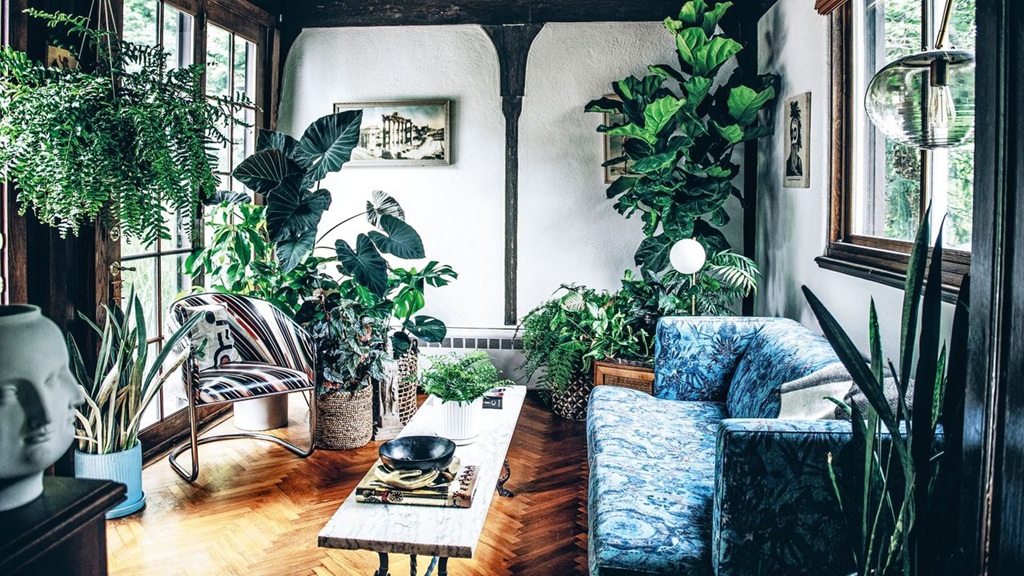
Not all houseplants are equal when it comes to enhancing insulation. To maximize the effect, focus on plants with large leaves, high transpiration rates, or those that thrive in specific areas of your home.
- Fiddle Leaf Fig: Its large leaves not only add bold greenery but also help absorb sunlight and protect windows from direct heat.
- Areca Palm: Known for its high transpiration rate, this plant increases humidity levels while filtering the air.
- Rubber Plant: With dense foliage, rubber plants create a natural thermal barrier by absorbing heat and reducing drafts.
- Boston Fern: A great addition to humidify the air, these ferns thrive in bathrooms or kitchens where extra moisture is useful.
Tips for Maximizing Insulating Benefits
To get the most out of your houseplants as “natural insulators,” consider these strategies for placement and care.
Cluster Plants Together
Groupings of plants create microclimates that enhance humidity and block drafts more effectively than single plants. Spaces near windows or doors are ideal for this approach.
Use Plant Stands and Shelves
Elevate plants on shelves or stands to block cold drafts near floors. Alternatively, place larger plants against walls that feel colder to the touch.
Place Plants by Sunny Windows
Use plants to diffuse excessive sunlight and reduce the need for cooling systems during warmer months. Ensure they’re not blocking necessary light, however, to balance energy efficiency with natural lighting.
Opt for Bigger Planters
Larger pots absorb more warmth and release it slowly, providing additional buffering during cold seasons. Ceramic and terracotta options work especially well for this.
Conclusion
Integrating houseplants into your home’s design is more than an aesthetic upgrade; it’s a practical way to enhance comfort and energy efficiency. While they won’t replace your insulation or eliminate the need for heating and cooling systems, houseplants offer a cost-effective, natural complement to your energy-saving efforts.
