

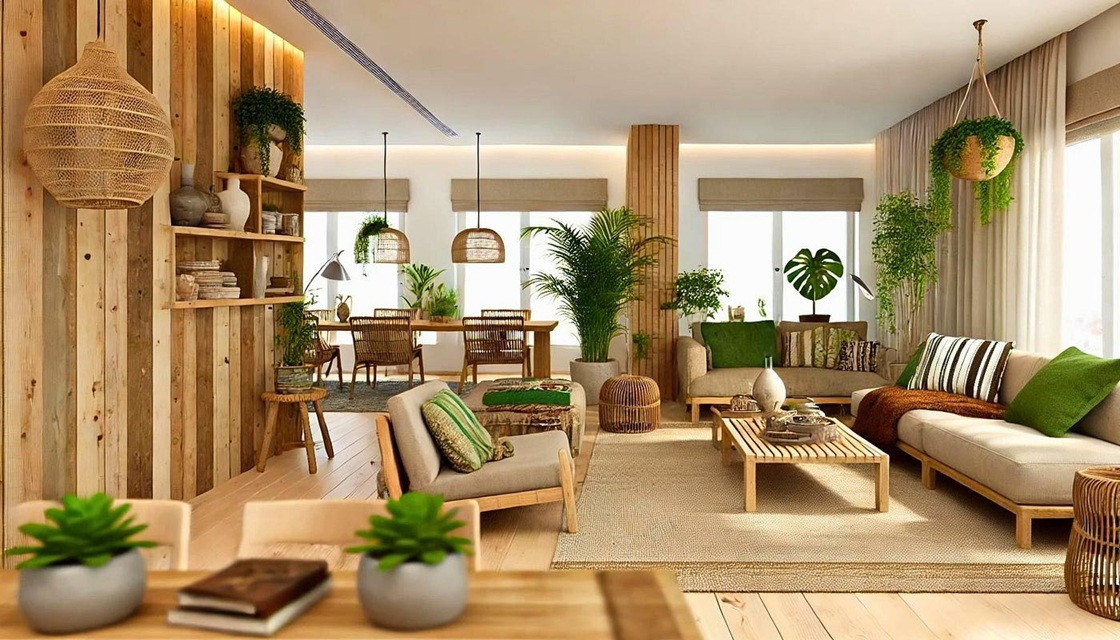
Creating a warm and cozy home doesn’t always require layers of insulation or turning up the thermostat. Thoughtful design can make a home feel naturally warm and inviting by harnessing the power of architecture, materials, natural lighting, and airflow.
Here’s how these elements come together to create a comfortable home environment, along with practical tips to implement them in your own space.
Architectural Design for Natural Warmth
The foundation of a warm home often lies in its architectural design. Details like window placement, ceiling height, and room orientation all play a role in how heat is distributed. Homes designed with large south-facing windows, for instance, make the most of passive solar heating. These windows capture sunlight during the day, warming up interior spaces, even in colder months.
Open floor plans also promote better heat circulation by reducing obstructions that trap cold air in certain areas. Vaulted ceilings, though visually appealing, may sometimes allow warm air to rise out of reach. To combat this, designers often include ceiling fans or strategically placed vents to push the warm air back down to the living level.
Choosing the Right Materials
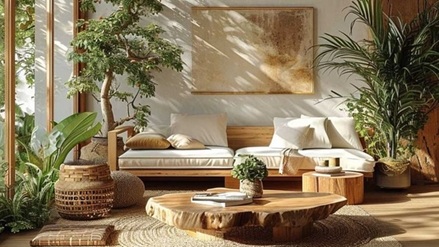
The materials used in your home’s construction and décor also influence how warm it feels. Materials with thermal mass, like concrete, brick, and natural stone, act as heat reservoirs. They absorb warmth from the sun during the day and release it slowly at night, effectively regulating indoor temperatures.
Soft textures also play an important role in making spaces feel warmer. Wooden flooring or paneling, wool rugs, thick curtains, and upholstered furniture can help create a cozier atmosphere compared to harder, colder surfaces like tile or metal.
The Role of Natural Lighting
Lighting can significantly influence how warm a space feels, not just in temperature but also in perception. Warm lighting, achieved through sunlight or thoughtfully chosen artificial lights, creates an inviting feel. Natural sunlight, especially in golden morning or evening hues, makes rooms feel lively and vibrant while also directly heating the space.
Skylights and clerestory windows can maximize natural light without sacrificing privacy, enhancing the perception of warmth across the home. In addition, mirrors or reflective surfaces can help distribute sunlight deeper into rooms, reducing the need for artificial lighting.
Airflow and Ventilation
A good airflow system is key to managing both warmth and freshness in a home. Drafty spaces or poorly ventilated rooms can sap warmth and create discomfort. Thoughtful design ensures a natural flow of air throughout the year. Cross-ventilation, for example, involves placing windows or vents on opposite sides of a room to encourage the movement of air, maintaining a stable, comfortable environment.
Another strategy is the use of thermal chimneys or ventilated roofs, which channel warm air upward and outward during summer while trapping it indoors in colder months with adjustable panels.
Conclusion
The genius of thoughtful design is that it focuses on long-term, low-maintenance solutions to achieve warmth without relying on energy-hungry equipment or excessive insulation. Homes that integrate passive solar heating, choose warm materials, strategically enhance natural light, and promote steady airflow feel naturally comfortable and efficient year-round.
To create a warm, inviting home, start by observing how sunlight flows through your space, evaluate whether any materials or layouts feel cold, and look for ways to optimize ventilation and lighting. By considering these design principles, you can enjoy a cozy and energy-efficient space that feels like a warm retreat all year long.
