

Good ventilation is essential for a comfortable and healthy home. It improves air quality, regulates indoor temperatures, and can even reduce energy costs. While most people think of ventilation as a matter of installing HVAC systems or ceiling fans, the layout of your home plays a big role in how air moves through your space. Thoughtful design choices can maximize airflow, creating a fresher and more energy-efficient environment.
Here are five practical tips to enhance ventilation through smart home design.
1. Strategic Window Placement
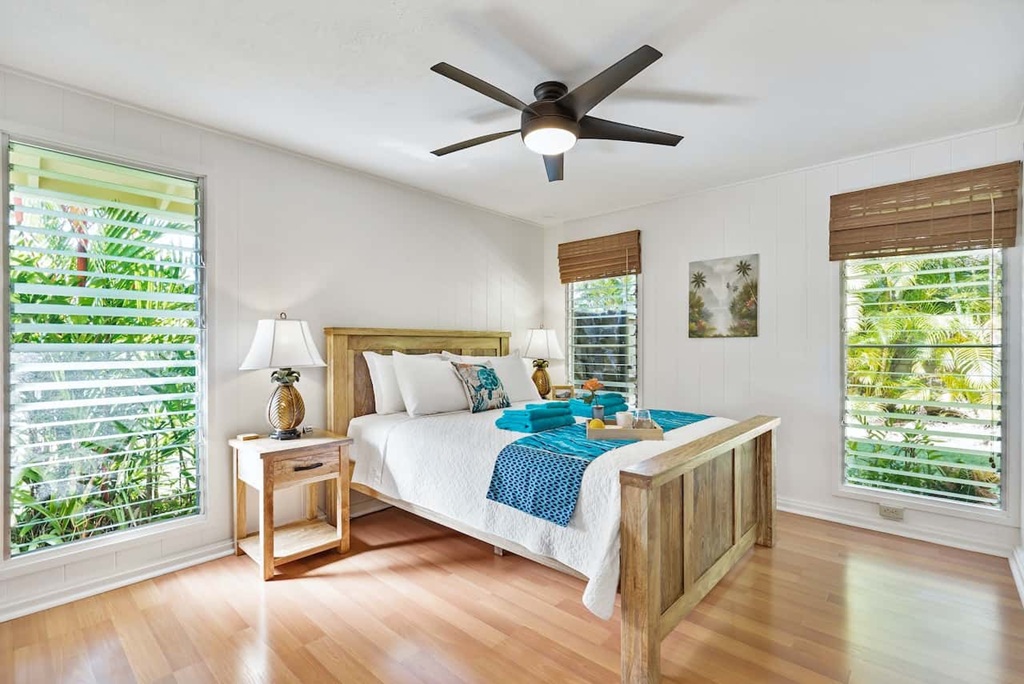
Windows are the primary entry points for fresh air, so their placement can make or break a room’s ventilation. Position windows on opposite walls to encourage cross-ventilation, which allows air to flow freely through the space. This setup is especially effective in smaller rooms or areas where air circulation tends to stagnate.
Also, consider the height of your windows. Installing higher windows helps expel warm air that rises naturally, while lower windows can draw in cooler air. Combining these placements creates a natural chimney effect, which is particularly useful in multi-story homes. For maximum efficiency, choose operable windows that you can adjust according to weather conditions and airflow needs.
2. Design Open and Connected Spaces
Open floor plans are more than just a modern design trend; they also improve airflow by minimizing barriers that block air circulation. Removing unnecessary walls between living areas, kitchens, and dining spaces allows air to move freely, making your entire home feel breezier and more comfortable.
If you prefer defined rooms, consider partial walls or wide doorways to maintain some separation without completely cutting off airflow.
3. Optimize Door Placement and Usage
The position and function of doors can significantly affect how air moves through your home. Ideally, doors should align with windows and vents to create pathways for airflow. For example, placing doors opposite windows promotes better ventilation by creating a direct route for air to enter and exit.
4. Leverage Outdoor Spaces
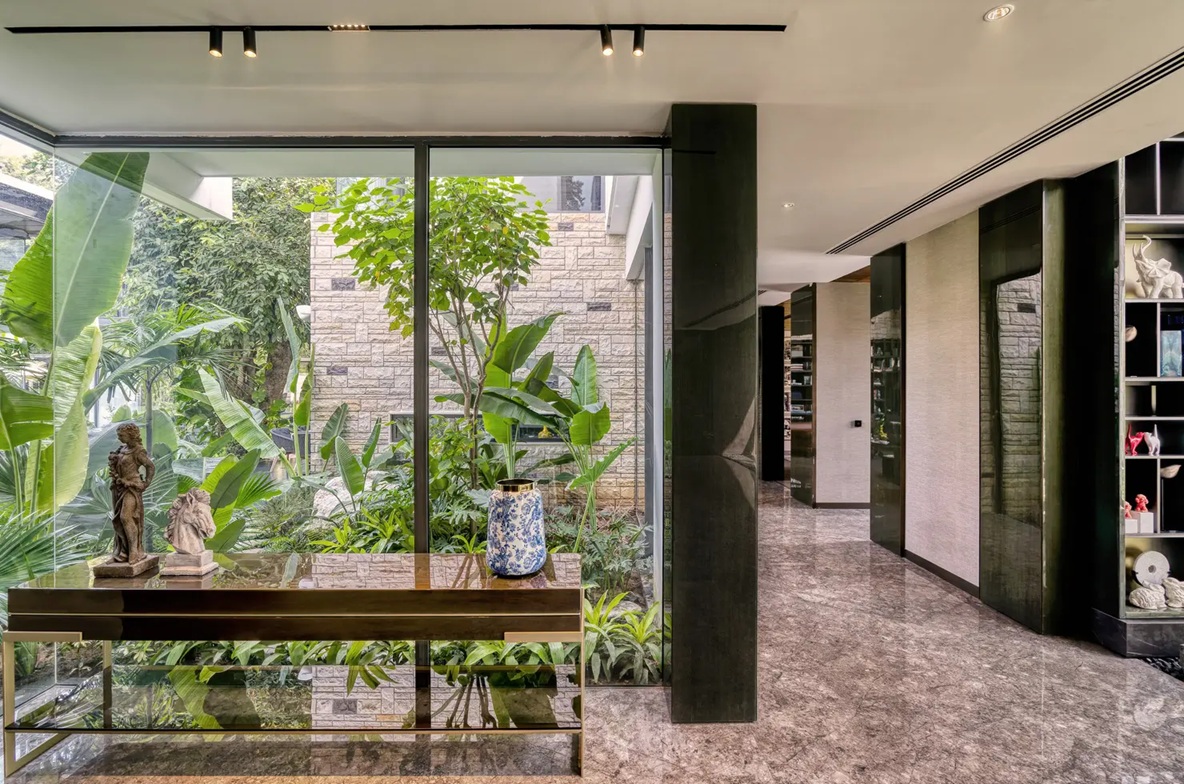
Homes designed with outdoor areas like patios, balconies, and courtyards naturally encourage better ventilation. These spaces act as extensions of your living area and allow fresh air to enter through large doorways or sliding glass doors.
When building or renovating, consider incorporating features like screened porches or bi-fold doors that can open wide to blend indoor and outdoor spaces seamlessly. Creating a direct link between indoor areas and outdoor spaces not only improves airflow but also enhances natural lighting, adding to the overall ambiance of your home.
5. Use Ceiling Height to Your Advantage
Higher ceilings improve ventilation by providing more vertical space for air to circulate. Warm air naturally rises, and a higher ceiling allows this hot air to accumulate at the top of the room, leaving the lower area cooler. Homes with vaulted or cathedral ceilings can especially benefit from installing ceiling fans to help regulate and enhance airflow throughout the room.
In addition, consider incorporating skylights or roof vents in rooms with high ceilings. These features provide extra ventilation points, allowing warm air to escape and keeping your living space comfortable even during hot weather.
Conclusion
Ventilation is more than just a functional consideration, it has a significant impact on your home’s comfort and energy efficiency. By incorporating thoughtful design choices, you can create a space that not only breathes better but also feels more welcoming and comfortable.
From strategic window placement to using outdoor spaces, these simple tips can help you maximize airflow while adding value to your home. With a well-designed layout, fresh air is just another way your home works smarter for you.
