

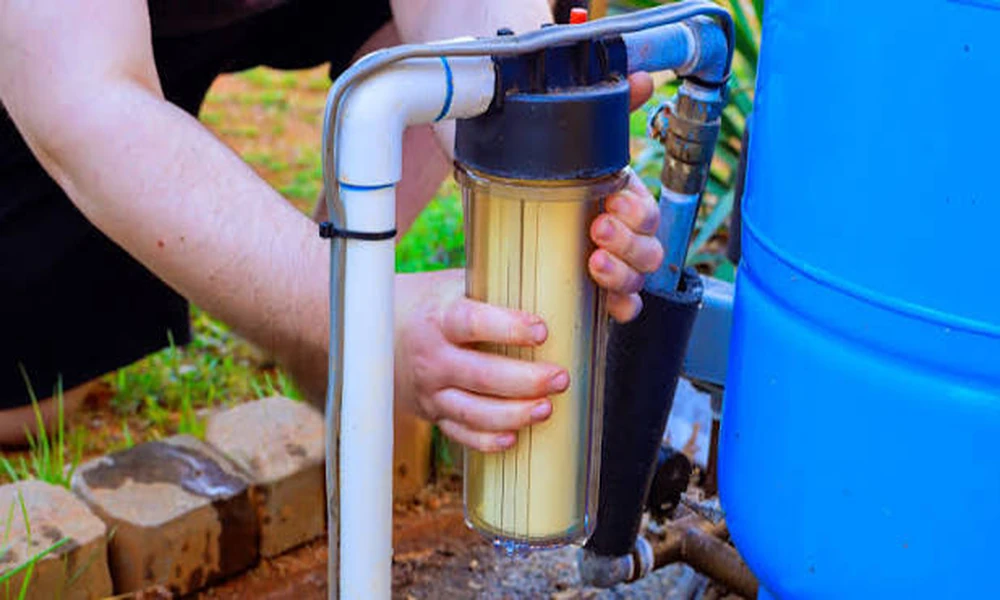
Ask ten neighbors in Lavon about whole house water filters and you will probably hear ten different opinions. Some swear by them. Others call them an expensive gadget that does little. Much of that confusion comes from half truths that get passed around until they sound like facts. Talking with a professional plumbing team such as Plumb Lobo is a good way to get straight answers for your own home, but it helps to walk in knowing what is true and what is not. If you are considering full house water filtration in Lavon, here are seven myths worth retiring today.
Myth 1: A Whole House Filter Is Just a Bigger Pitcher Filter
Reality: The two are built for very different jobs. A pitcher or refrigerator filter treats a small amount of water at one spot. A whole house system is plumbed into the main line, so it treats every gallon that enters your home. It uses larger media beds and higher flow capacity, which means it can protect showers, laundry, appliances, and every faucet at once. Think of the pitcher as a cup of tea and the whole house system as the entire kettle, pipes included.
Myth 2: If My Water Looks Clear, It Does Not Need Filtering
Reality: Clear water can still carry dissolved minerals, chlorine, and tastes or odors you can notice but not see. Hardness minerals are a perfect example. They dissolve completely, yet they leave scale inside water heaters and spots on glassware. Appearance is a poor test. A proper water test tells you what is really flowing through your pipes, and it takes the guesswork out of choosing equipment.
Myth 3: Filtering the Whole House Will Ruin My Water Pressure
Reality: A correctly sized system should not cause a noticeable drop. Pressure problems usually come from two sources: a unit that is too small for the household, or a cartridge that has gone too long without being changed. Size matters because the system has to keep up when the dishwasher, a shower, and the washing machine are all running at the same time. When the flow rate matches the number of bathrooms and people in the home, most families never notice a change.
Myth 4: One Filter Handles Every Water Problem
Reality: No single filter removes everything. Sediment filters catch particles, carbon reduces chlorine and odors, softeners deal with hardness, and specialty media target particular concerns. Many homes need a combination, which is why a test comes before a purchase. When comparing products, look for certification from an independent group such as NSF International, which tests treatment products against recognized standards so that performance claims on a label are verified rather than just advertised.
Myth 5: Install It Once and Forget About It
Reality: Filters work by trapping or reacting with whatever is in your water, so they eventually reach capacity. A sediment cartridge packed with grit restricts flow. A carbon bed that has been in service too long stops reducing taste and odor effectively. The good news is that upkeep is simple. Follow the replacement schedule, watch for changes in pressure or taste, and schedule an occasional inspection. A few minutes of attention each season keeps the system doing its job.
Myth 6: Whole House Filtration Is Only for People on Well Water
Reality: City water is treated and monitored, but treatment happens at the plant, not inside your home. By the time water reaches your tap it has traveled through miles of pipe and then through your home’s plumbing, where it can pick up particles or carry disinfectant flavors. Many households on municipal supply choose whole house filtration to improve taste, protect appliances, and reduce scale. Wells face their own challenges, so the need is real in both situations, but the reasons differ.
Myth 7: It Costs Too Much to Be Worth It
Reality: The price tag looks bigger on day one than it does over ten years. Consider what hard water and sediment quietly cost a household: water heaters that burn extra energy fighting scale, appliances that wear out early, fixtures that need replacing, extra detergent and soap, and bottled water bought to avoid a bad taste. A well chosen system reduces many of those recurring costs. It will not pay for itself overnight, but the comfort and protection add up, and spreading the value over the life of your plumbing changes the math considerably.
So What Should You Actually Do
Skip the guesswork and follow a simple path:
- Test your water so you know what you are treating.
- Gather your household details, including the number of bathrooms, the people in the home, and where the system could be installed.
- Ask for a system sized to your flow needs rather than a one size fits all unit.
- Confirm certification on the components you are offered.
- Plan for maintenance before you buy so there are no surprises later.
Final Thoughts
Whole house water filtration is not magic, and it is not a gimmick. It is a practical upgrade that protects your plumbing, your appliances, and your daily routine when it is matched to the water you actually have. Separating myth from reality is the first step. The second is getting the right advice for your home, so the system you choose works quietly in the background and keeps every tap in your house delivering cleaner water for years to come.
