

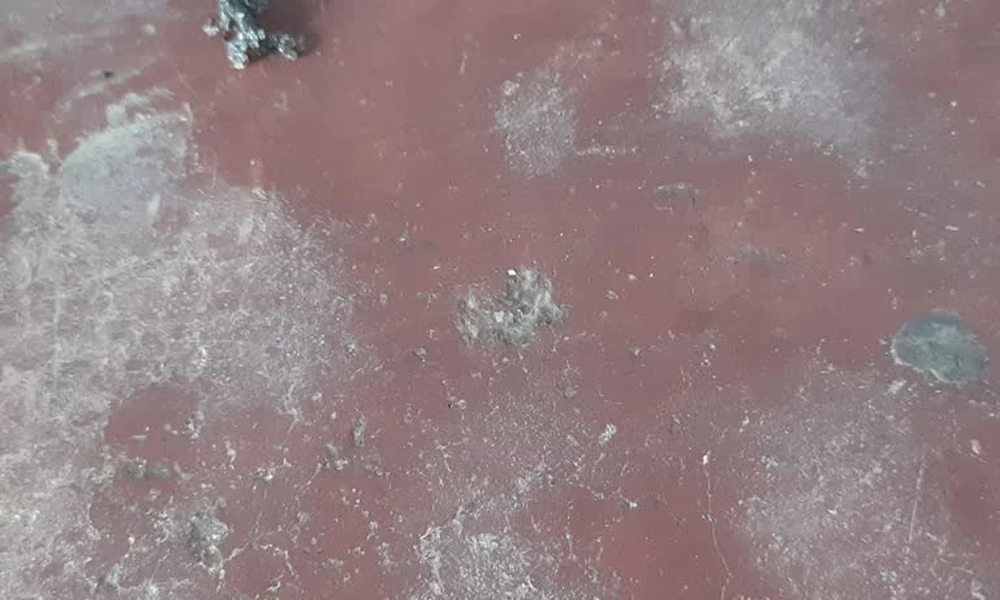
Home renovation projects transform living spaces, but disturbing older building materials can generate significant health risks. A primary environmental danger created during residential remodeling is invisible lead dust. When paint layers are sanded, cut, scraped, or demolished, toxic heavy metal particles become airborne and settle throughout the property, creating long-term contamination risks for occupants and worker safety.
Understanding the Source of Renovation Lead Hazards
Legacy paints and coatings applied before regulations restricted heavy metal additives remain encapsulated beneath newer layers of paint. Renovation activities break this protective seal, instantly grinding lead-based coatings into fine, powdery dust. Because these microscopic particles are light, everyday airflow and ventilation systems carry lead dust into carpets, soft furnishings, wall cavities, and air ducts, far beyond the initial construction area.
Primary Risks Associated with Lead Dust Exposure
Inhaling or ingesting toxic dust particles poses serious biological hazards. Exposure risks during and after home improvement work include:
- Contamination of living areas, furniture, and household HVAC ductwork
- Ingestion risks through settling particles on food surfaces and hand-to-mouth contact
- Chronic exposure risks for young children, pregnant women, and pets
- Cross-contamination carried into non-work areas via footwear and clothing
Standard Containment and Professional Removal Measures
Addressing renovation dust hazards requires specialized environmental safety procedures rather than basic household cleaning techniques. Standard sweeping or vacuuming often exacerbates the problem by recirculating microscopic particles back into ambient air.
Professional hazardous material management relies on established containment and abatement strategies:
Critical Barriers: Isolating the work area with heavy plastic sheeting and sealed doorways prevents airborne dust from migrating into unaffected zones of the home.
Negative Air Pressure: Deploying air filtration equipment creates controlled pressure, directing airborne contaminants through specialized filters rather than into residential spaces.
HEPA Vacuuming and Wet Wipe Down: Cleaning procedures require industrial vacuum units equipped with specialized filtration to capture sub-micron particles, followed by comprehensive wet-wiping techniques on all hard surfaces.
Clearance Testing and Verification: Comprehensive environmental testing ensures dust levels meet regulatory safety thresholds before normal occupancy resumes.
The Hazmat Team provides professional hazardous material inspection, environmental testing, containment, and certified remediation services. Proper environmental controls ensure residential renovations improve living conditions without compromising healthy indoor air quality.
This article was prepared by a specialist at THE HAZMAT TEAM. Rely on your asbestos abatement contractor serving Orange County, California, including Westminster mold remediation. THE HAZMAT TEAM delivers safe, compliant removal with confidence and professional guidance
