

On a July afternoon in Central Texas, the air outside might read 102 degrees. Climb into an unvented or poorly vented attic at the same hour and the thermometer can push past 150. That heat doesn’t just sit there. It bakes the underside of the roof deck while the sun hammers the top. The shingles get cooked from both directions, day after day, for most of the year.
Homeowners often blame hail or old age when a roof fails before its time, and sometimes that’s correct. But ask a long-running local outfit like Windham Roofing, which has worked on Central Texas homes since 2001, and they’ll often point to the attic as the hidden culprit. Ventilation problems rarely show up on a sunny inspection from the street. They build slowly and only reveal themselves through curled shingles, brittle edges and energy bills that keep climbing.
This matters most in places like Cedar Park, Leander and Round Rock, where builders put up houses quickly during the growth boom. Many of those homes have the bare minimum of attic airflow, or vents that were later blocked by blown-in insulation. Understanding how an attic is supposed to breathe can help you spot trouble years before it turns into a replacement bill.
How a Healthy Attic Moves Air
A vented attic works like a slow chimney. Cooler outside air enters low, through soffit vents under the eaves. As it warms, it rises and leaves high, through ridge vents, turbines or static vents near the peak. That steady flow carries heat out before it can soak into the decking and shingles.
The system only works when intake and exhaust are balanced. Most building codes call for roughly one square foot of net free vent area for every 150 square feet of attic floor. That drops to one for every 300 when the vents are split between high and low positions. In practice, roofers aim for about half the airflow coming in low and half going out high.
When that balance tips, odd things happen. Too much exhaust with too little intake can pull conditioned air up from the living space through light fixtures and attic hatches. You end up paying to cool an attic you never use.
What Trapped Heat Does to Shingles
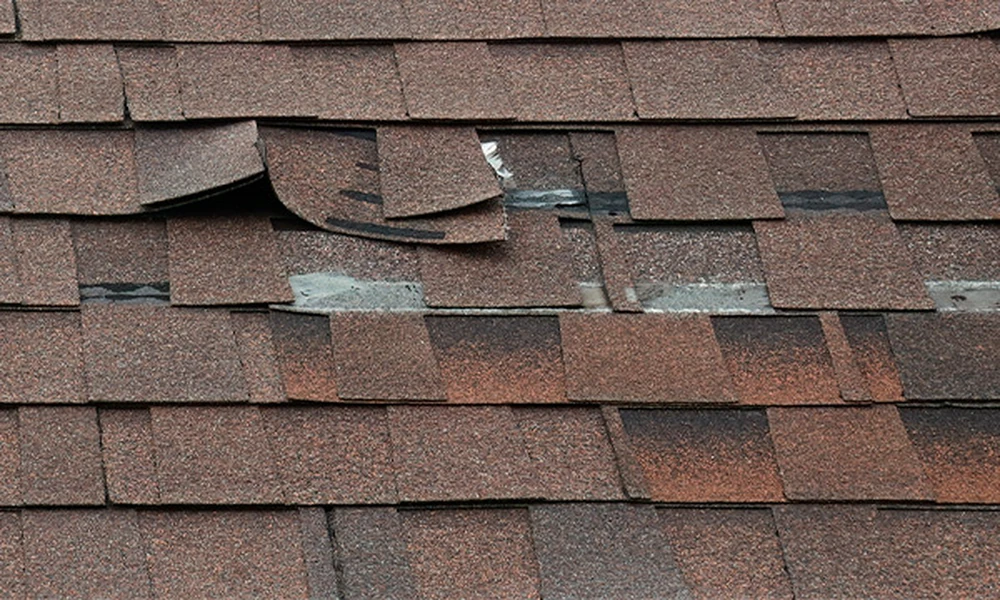
Asphalt shingles are made of oils that keep them flexible. Heat drives those oils out faster. The shingle hardens, loses granules and begins to curl or crack at the edges. In a mild climate the process takes decades. Under a Texas sun, with a superheated attic adding to the load, it speeds up noticeably.
Many shingle manufacturers write ventilation requirements straight into their warranties. If an inspector finds the attic was never vented to code, a claim for early failure can be denied. That’s one detail most homeowners only discover after something goes wrong.
The decking pays a price too. Plywood and OSB exposed to constant heat and occasional humidity can delaminate or warp. You may notice a slight wave across the roof surface, especially along rafter lines, when the light hits it at a low angle.
Clues Your Attic Is Running Too Hot
You don’t need special tools to start checking. A few signs show up inside and outside the house:
- Upstairs rooms that stay several degrees warmer than the rest of the house, even with the AC running hard
- Shingles that look curled, blistered or bare in patches, especially on south and west facing slopes
- Insulation pushed tight against the eaves, with no visible daylight or baffles at the soffits
- A musty smell or dark staining on the underside of the decking
- Ceiling paint that cracks or peels near exterior walls on the top floor
Any one of these alone doesn’t prove a ventilation problem. Two or three together usually point in that direction.
Insulation and Ventilation Work as a Pair
A common mistake is treating insulation and ventilation as separate projects. They depend on each other. Thick insulation on the attic floor keeps heat from moving down into your rooms. Ventilation carries away the heat that collects above it.
The trouble starts when new insulation goes in without care at the edges. Blown cellulose or fiberglass drifts right over the soffit vents and chokes the intake. The ENERGY STAR guide to attic ventilation singles this out as the most frequent error homeowners make, and recommends rafter baffles to keep a clear air channel from the eaves into the attic.
Air sealing belongs in the same conversation. Gaps around recessed lights, plumbing stacks and the attic hatch let cooled indoor air leak upward. Sealing those openings before adding insulation keeps your conditioned air where it belongs and reduces the moisture that reaches the roof deck.
Choosing the Right Vents for the Roof You Have
Not every roof suits the same vent setup. Ridge vents work well on long, simple gable roofs because they run the full length of the peak. Hip roofs, which are common across newer Central Texas subdivisions, have shorter ridges and may need extra static vents or a hip-specific ridge product to move enough air.
Powered attic fans sound appealing in a hot climate, but they come with tradeoffs. Without enough intake, a fan can depressurize the attic and draw air from the house or even backdraft a gas water heater. Solar-powered fans reduce running costs but carry the same risk if the soffits are blocked.
Mixing vent types on one roof can also backfire. A ridge vent paired with gable vents may short circuit, pulling air in through one gable and straight out the ridge while leaving the lower attic stagnant. A good layout uses one exhaust style and a matching intake.
Reflective Roofing as a Second Line of Defense
Ventilation removes heat after it enters the attic. Roofing material can reduce how much enters in the first place. Lighter colored shingles, reflective granules and certain metal finishes bounce back a larger share of sunlight. The Cool Roof Rating Council publishes independent ratings for solar reflectance and thermal emittance, which helps homeowners compare products without relying on marketing claims.
In Central Texas, homeowners’ associations sometimes limit color choices, so it’s worth checking your HOA rules before settling on a lighter shade. Many manufacturers now offer reflective shingles in mid-tone colors that satisfy design rules while still cutting surface temperatures.
Timing the Fix
The best time to correct attic ventilation is during a reroof. With the shingles off, adding a continuous ridge vent or cutting proper intake is simple and inexpensive compared with retrofitting later. If your roof still has years left, a targeted fix can still help. That might mean clearing blocked soffits, installing baffles or swapping a mismatched vent setup.
Fall and early spring are practical windows. Attics are cooler for crews to work in, and you have time to sort things out before the next summer starts baking the roof again.
A roof in Central Texas fights the weather from above and its own attic from below. Giving that attic a clear path to breathe is one of the least glamorous upgrades a homeowner can make, yet it quietly protects the shingles, the decking and the monthly power bill all at once.
