

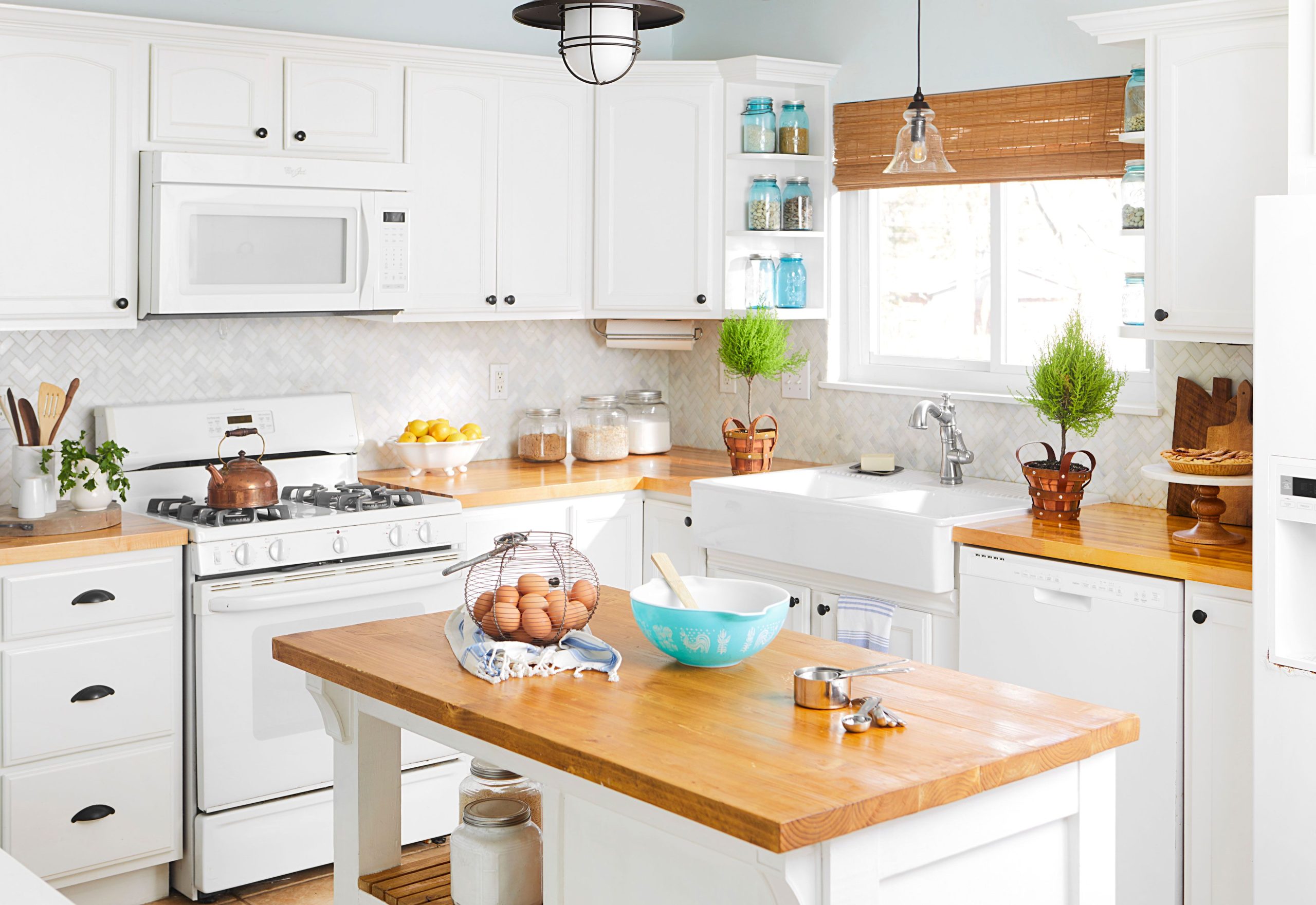
A kitchen counter is more than a work surface, it is the visual and functional heart of your kitchen. The right choice can elevate your space, while the wrong one will haunt daily routines with scratches, stains, or constant upkeep. So, what features distinguish a truly high-quality kitchen counter from the rest?
Why Choosing the Right Kitchen Counter Matters
A kitchen counter faces daily abuse: sharp knives, hot pans, spills, and hurried mornings. Inferior materials can chip, warp, or stain easily, leaving you with costly repairs or a dated appearance. Over time, these headaches add up, both in maintenance costs and in the lost pleasure of using your kitchen.
Common Problems with Low-Quality Counters
Low-quality countertops often reveal their flaws quickly. Surfaces may discolor from spilled wine or tomato sauce. Some materials scratch or dent at the slightest contact with a pot. If a counter absorbs moisture, you might be dealing with swelling, warping, or, worst of all, mold growth beneath the surface.
How Counter Material Impacts Durability and Style
The material you select does more than set the tone of your kitchen. It determines how well your counters will stand up to years of wear, and how much effort you will spend keeping them looking new. Granite, quartz, wood, porcelain, and innovative options such as Neolith or Dekton each have unique benefits and quirks.
Key Features to Prioritize in Kitchen Counters
Durability and Resistance to Wear
Kitchen counters must withstand heavy daily use. Granite, for example, resists scratches and chips better than most other natural stones. Quartz offers similar resilience, plus added shock resistance from its resin content. Dekton and Neolith go one step further, shrugging off both heat and cold, as well as impacts.
Maintenance and Ease of Cleaning
Some surfaces need regular sealing or oiling, while others resist stains and spills with minimal fuss. Quartz and Dekton are virtually non-porous, so bacteria and liquids cannot seep in, making cleanup a breeze. Wood, by contrast, requires periodic oiling and careful cleaning to stay pristine.
Aesthetic Appeal and Style Compatibility
Counters should complement your cabinets, flooring, and fixtures. Whether you want the timeless elegance of granite or the warmth of wood, choose a material and finish that ties your kitchen together. Quartz stands out with its broad palette of colors and textures, while porcelain and ceramic provide sleek, modern looks.
Health and Safety Considerations
Surfaces that resist bacteria, mold, and allergens are essential in food prep areas. Non-porous materials like quartz and Dekton set the standard here, making them popular choices for families and anyone who prioritizes hygiene.
Exploring Popular Kitchen Counter Materials
Granite: Timeless Elegance and Strength
Granite remains a go-to for many homeowners. It is durable, resists heat, and each slab offers unique veining and character. However, it does require periodic sealing to maintain its resistance to stains.
Quartz: High-End Durability with Variety
Quartz blends natural stone with resins for added strength and a non-porous finish. The result is a counter that resists stains, scratches, and bacteria, available in a vast array of patterns and finishes.
Wood: Warmth and Unique Character with Care Needs
Nothing matches the inviting, tactile warmth of wood. It works beautifully in rustic or contemporary kitchens, but it does require regular care to prevent scratches, stains, and water damage.
Porcelain and Ceramic: Modern and Resistant Options
Porcelain countertops are thin yet highly resistant to scratches, heat, and staining. They deliver a minimalist, seamless look well-suited to modern designs.
Innovative Surfaces: Neolith and Dekton
Neolith and Dekton represent the cutting edge in countertop technology. They are ultra-compact, eco-friendly, and incredibly resistant to heat, abrasion, and UV rays, ideal for kitchens exposed to sunlight or heavy use.
Material-Specific Advantages and Drawbacks
| Material | Porosity | Heat Resistance | Scratch Resistance | Maintenance | Sustainability |
|———–|———-|—————-|——————-|——————|—————————|
| Granite | Low | High | High | Medium (seal) | Natural, quarrying impact |
| Quartz | Non | High | High | Low | Engineered, some eco |
| Wood | High | Medium | Low (scratches) | High (oil) | Renewable, care required |
| Porcelain | Non | High | High | Low | Recyclable |
| Dekton | Non | Very High | Very High | Low | Recyclable, eco-friendly |
Matching Counters to Your Kitchen Style and Usage
Busy kitchens need resilient surfaces. Quartz and Dekton excel in high-traffic spaces, while wood shines in low-traffic, style-focused homes. The right counter will also harmonize with your cabinets and hardware, tying together every design element. Budget should factor into your decision, but remember: a high-quality counter is an investment in both beauty and long-term value.
Making the Final Decision: What to Ask and Consider
Before committing, ask your supplier about material origins, maintenance needs, and warranty terms. Viewing and handling samples in your kitchen’s lighting helps avoid surprises. Companies like comptoirs Cuisines Rosemere can provide valuable insights and a broad selection tailored to your needs.
Taking Action: How to Choose and Install Your Perfect Kitchen Counter
Start by assessing your kitchen habits and style preferences. Next, set a budget and shortlist materials that meet your needs. Consult with reputable suppliers, review samples, and ask about installation timelines. Before installation, clear surfaces and secure appliances. Once installed, follow the care guidelines, regular cleaning, and, for some materials, periodic sealing or oiling, to keep your counters beautiful for years.
Choosing a kitchen counter is a decision you live with every day. Prioritize the features that matter most, match them to your lifestyle, and invest in quality. The result is a kitchen that feels as good as it looks.
