

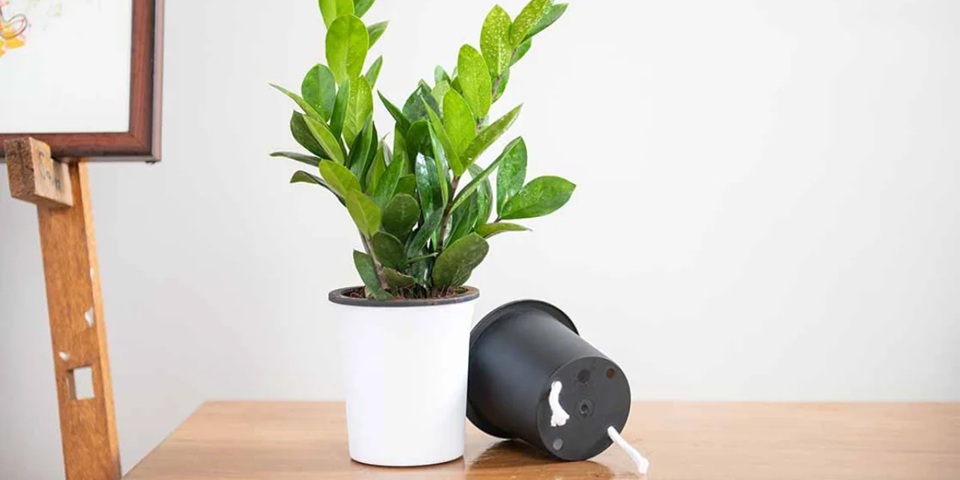
Indoor greenery has emerged as a pivotal facet of contemporary interior design, imparting visual allure while conferring a multitude of wellness advantages. However, maintaining a thriving indoor garden can be challenging, especially for those with busy schedules or limited experience in plant care. Available through suppliers like Just Pots wholesale pottery, these planters are designed to simplify plant maintenance while promoting healthy growth.
What Are Self-Watering Planters?
Self-watering planters are vessels equipped with an integrated reservoir, enabling plants to draw moisture autonomously as required. Unlike traditional pots that require frequent watering, these planters release water gradually, ensuring the soil remains consistently moist without becoming waterlogged. The design often includes a wicking system or a perforated bottom that draws water upward, mimicking natural soil hydration.
This feature is particularly beneficial for indoor plants, which can be more sensitive to overwatering or drought conditions. By providing a steady supply of water, self-watering planters reduce the risk of root rot and other common plant care problems, making them ideal for both beginners and experienced gardeners.
Benefits of Using Self-Watering Planters
- Well-balanced Moisture Levels: Plants are less likely to experience stress from irregular watering, which can affect growth and foliage health.
- Reduced Maintenance Effort: For individuals with busy lifestyles, these planters minimize the need for daily attention. It helps the plants survive for a few days to several weeks, depending on the water requirement of that plant and its size.
- Encourages Healthy Root Systems: With water being supplied gradually, roots are encouraged to grow deeper, seeking moisture naturally. This leads to stronger, more resilient plants.
- Eco-Friendly Water Usage: By controlling the amount of water released, self-watering planters can reduce water waste. This efficiency is especially important in regions where water conservation is a priority.
Design Considerations for Home Use
Self-watering planters come in a wide range of materials and designs, from ceramic and terracotta to modern plastics. It is important to choose the right kind of planter, depending on both the type of cultivation and a person’s aesthetics.
- Size and Depth: Larger planters with deeper reservoirs are suitable for plants with extensive root systems, while smaller planters work well for herbs and succulents.
- Material: Porous materials like ceramic allow for slight airflow, complementing the self-watering feature, whereas plastics retain moisture longer.
- Style: Many planters are designed to match home interiors, blending functionality with decorative appeal. This allows homeowners to maintain a stylish environment while keeping their greenery healthy.
Practical Tips for Maximizing Efficiency
To get the best results from self-watering planters, homeowners should consider a few practical tips:
- Monitor the reservoir on a regular basis.
- Use high-quality soil that supports good drainage while facilitating the wicking process.
- Avoid placing the planter in direct sunlight for extended periods, as excessive heat can cause rapid water loss.
- Pair the planter with indoor plants suited for consistent moisture, such as peace lilies, ferns, and certain tropical varieties.
Conclusion
Self-watering planters offer a practical solution for maintaining a vibrant indoor garden with minimal effort. By providing consistent moisture, supporting healthy root growth, and reducing the risk of overwatering, these planters make indoor gardening accessible to a wide range of homeowners. For those looking to incorporate reliable, aesthetically pleasing options into their homes, suppliers such as Just Pots wholesale pottery offer a variety of designs that balance functionality and style, making it easier than ever to keep indoor plants thriving.
