

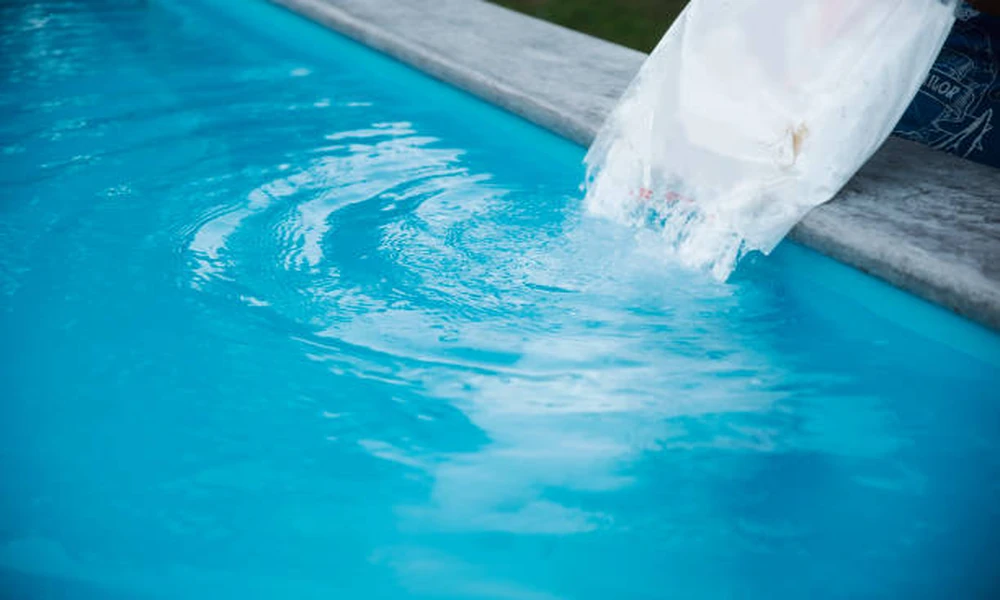
Choosing the right water sanitation method is an important part of planning a swimming pool. Both salt chlorination systems and traditional chlorine pools are designed to help maintain clean, enjoyable water, but they operate in different ways. Understanding the differences between these options can help homeowners make informed decisions based on their preferences, maintenance expectations, and overall pool goals.
When discussing a new pool or updating an existing one, exploring available sanitation systems with an experienced pool professional can provide valuable insight into which option best suits your outdoor living space.
Understanding Salt Chlorination Systems
A salt chlorination system uses dissolved salt in the pool water to produce chlorine through a specialized generator. Rather than adding chlorine directly on a regular basis, the system continuously creates the sanitizer needed to help maintain water quality.
Many homeowners appreciate this approach because the process provides a steady supply of chlorine while reducing the need for frequent manual additions. Although the water contains salt, it is not the same as seawater and is generally intended to provide a comfortable swimming experience.
Traditional Chlorine Pools
Traditional chlorine pools rely on chlorine products that are added directly to the water as part of routine maintenance. This long-established sanitation method remains a common choice for residential pools and can effectively support water quality when properly maintained.
Regular testing and chemical balancing are important to ensure the pool continues operating as intended. Consistent maintenance helps keep water conditions suitable for swimming while supporting overall pool care.
Comparing Maintenance and Operation
Both sanitation systems require ongoing attention to water balance and routine maintenance. A salt chlorination system includes equipment that should be monitored and maintained to ensure proper operation, while traditional chlorine pools require periodic additions of chlorine as part of regular care.
Neither option completely eliminates the need for maintenance. Instead, each offers a different approach to supporting water sanitation, allowing homeowners to choose the system that aligns with their preferences and maintenance routine.
Choosing the Right Option for Your Pool
The ideal sanitation system depends on several factors, including your expectations for maintenance, your desired swimming experience, and the design of your pool. Discussing these considerations during the planning process allows homeowners to evaluate the benefits of each option while selecting the system that best fits their needs.
An experienced pool builder can explain how each sanitation method works and recommend solutions that complement your overall pool design.
Making an Informed Decision
Selecting a sanitation system is an important part of creating a pool that meets your lifestyle and long-term expectations. Both salt chlorination systems and traditional chlorine pools offer effective methods for maintaining pool water when properly cared for.
Sunsation Pools & Spas works with homeowners to design pools that reflect their vision while helping them understand the available equipment and maintenance options. Careful planning and professional guidance make it easier to choose a sanitation system that supports years of enjoyable backyard living.
This article was created by a professional at Sunsation Pools & Spas, Inc., a full-service pool and deck construction company located in Largo, FL. We specialize in remodeling and design services. As a trusted pool and deck construction company near you, we serve clients across the Tampa Bay Area, including pool remodeling in Largo, FL. Our experienced professionals provide reliable solutions and expert insight, making us a preferred choice for pool and deck construction near you focused on quality, value, and performance.
