

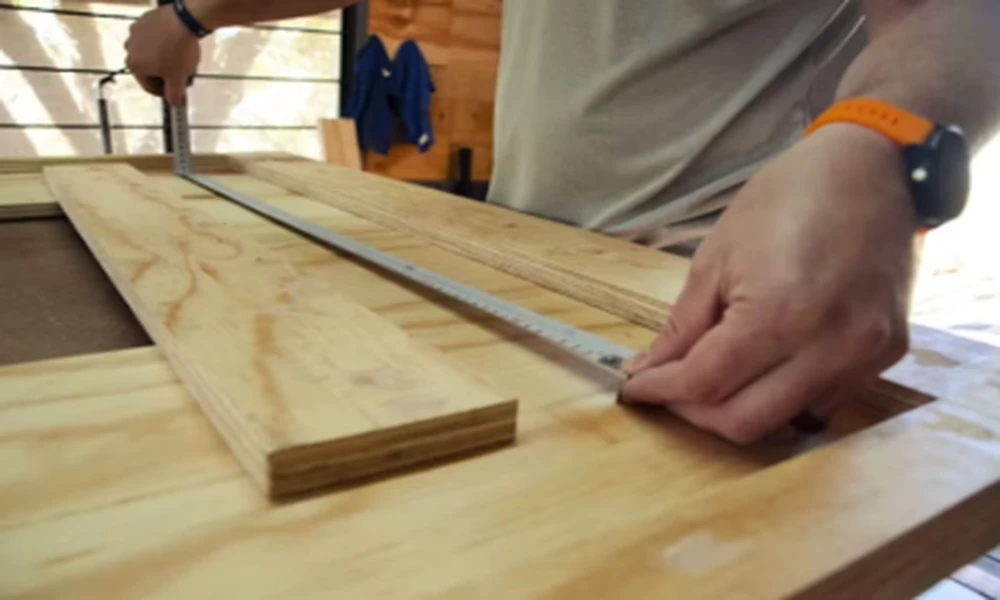
You install a straight piece of lumber, but a few weeks later, it starts to bend, twist, or curve. This can be frustrating, especially when the wood is part of a fence, deck, wall, or other visible project.
Wood is a natural material that reacts to moisture and its surroundings. Understanding why lumber moves can help you choose, store, and install it more carefully.
Why Does Lumber Change Shape?
Wood can gain or lose moisture based on the surrounding air and weather. As moisture changes, wood can swell or shrink.
The problem happens when one part of a board changes faster or more than another. Uneven movement can cause the lumber to warp.
The grain pattern, type of wood, way the board was cut, and drying process can also affect how much it moves.
What Is Cupping?
Cupping happens when the edges of a board rise or fall compared with the center.
It is often caused by uneven moisture between the two faces of the board. Wide, flat-sawn boards may be more likely to cup because wood shrinks differently across its growth rings.
Keeping both sides of the board under similar conditions can help reduce this problem.
What Causes Bowing?
Bowing means a board curves along its length.
Uneven drying, natural growth stresses, grain direction, and poor storage can all contribute to bowing. Lumber that is stored on an uneven surface may also develop unwanted bends before installation.
Stacking boards flat with proper support can help them stay straighter.
Why Does Lumber Twist?
Twisting happens when the corners of a board no longer sit in the same flat plane.
This can happen when the wood has spiral, diagonal, or uneven grain. Changes in moisture may make the twist more noticeable.
Choosing straight boards with even grain can help lower the chance of problems.
How Can You Help Prevent Warping?
Before installation, inspect each board and store lumber flat, dry, and properly supported. Give the wood time to adjust to the conditions where it will be used when appropriate for the project.
Use the right fasteners and follow recommended spacing and installation methods. Outdoor lumber should also be protected from long periods of standing water or uneven moisture.
At Anawalt Lumber, we understand that choosing the right lumber is an important part of any project. We can help you compare wood types, sizes, and materials so you can choose lumber that fits your building, repair, fence, deck, or outdoor project.
This post was written by a professional at Anawalt Lumber. Anawalt Lumber is a family-owned lumber yard and hardware store serving Los Angeles for over a century. Known for quality lumber, contractor supplies, hardware, and a full-service nursery, Anawalt provides personalized service for homeowners and licensed contractors. From job pricing and bulk discounts to special-order materials with fast delivery, Anawalt is your trusted local building supply partner in Malibu, West LA, and Hollywood. Click here to learn more!
