

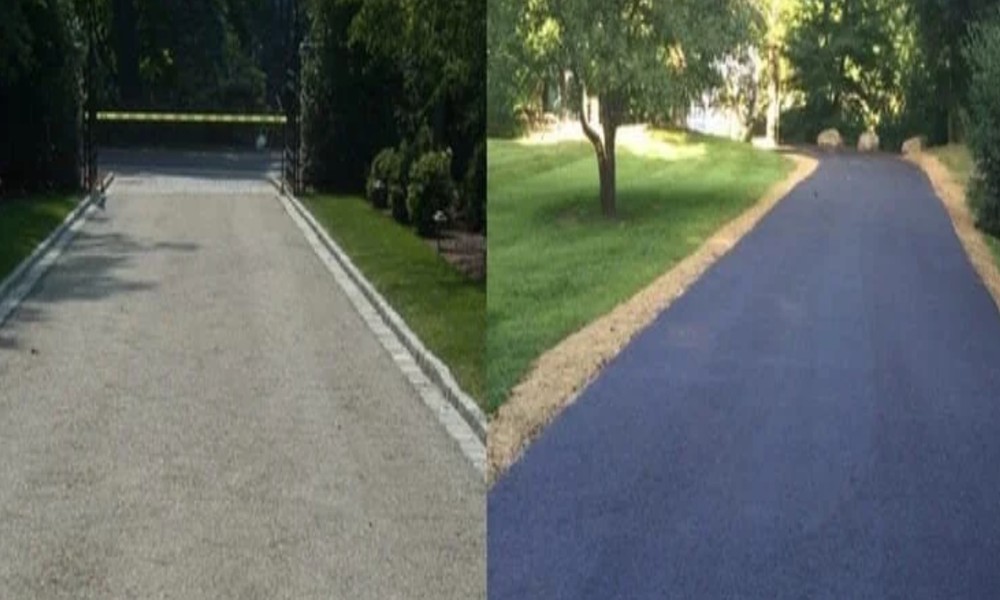
When planning a new driveway, one of the biggest decisions is choosing between concrete and asphalt. Both materials are widely used and can provide a durable surface for vehicles. However, each option has its own advantages and disadvantages. Understanding the differences can help homeowners choose the driveway material that best fits their needs, budget, and long-term goals.
Durability and Lifespan
Concrete is known for its strength and long lifespan. A properly installed concrete driveway can last 30 years or more with regular maintenance. It can handle heavy vehicles and is resistant to many types of wear and tear.
Asphalt is also durable, but it typically has a shorter lifespan than concrete. Most asphalt driveways last around 15 to 25 years, depending on weather conditions and maintenance. Over time, asphalt may develop cracks that require repairs.
Appearance
Concrete offers more design options than asphalt. It can be colored, stamped, textured, or stained to create a custom look. This makes concrete a popular choice for homeowners who want a driveway that enhances curb appeal.
Asphalt usually has a simple black finish. While it provides a clean and neat appearance, it offers fewer decorative options compared to concrete.
Maintenance Requirements
Both materials require maintenance, but the type of maintenance differs. Concrete driveways benefit from occasional cleaning and sealing to help protect the surface.
Asphalt generally requires more frequent maintenance. Sealcoating is often recommended every few years to help prevent damage from sunlight, water, and temperature changes. Cracks may also need periodic repairs.
Installation Costs
Asphalt driveways usually have a lower upfront cost than concrete. This makes asphalt an attractive option for homeowners with a limited budget.
Concrete often costs more to install initially, but its longer lifespan can provide greater value over time. In many cases, the reduced need for repairs helps offset the higher installation cost.
Weather Performance
Asphalt performs well in colder climates because it can expand and contract more easily during temperature changes. Concrete can sometimes crack if exposed to repeated freeze-thaw cycles without proper installation.
In warmer climates, concrete often performs very well because it stays cooler and is less likely to soften under high temperatures.
Which Option Is Right for You?
The best choice depends on your budget, design preferences, maintenance expectations, and local climate. Both materials can provide reliable performance when installed correctly.
At Unique Concrete Design, we help homeowners choose driveway solutions that fit their needs and goals. We specialize in high-quality concrete installations designed for beauty, strength, and long-term durability. We take pride in creating driveways that add value and lasting appeal to every property.
This post was written by a professional at Unique Concrete Design. Unique Concrete Design, your top choice for creative concrete solutions in Greenville and Upstate South Carolina. From stamped patios to durable driveways, we specialize in transforming ordinary concrete into extraordinary works of art. With quality craftsmanship and attention to detail, we bring your vision to life both indoors and outdoors. Contact us today for stunning designs that stand the test of time. Unique Concrete Design is a local company built by families and individuals proudly serving our community.
