

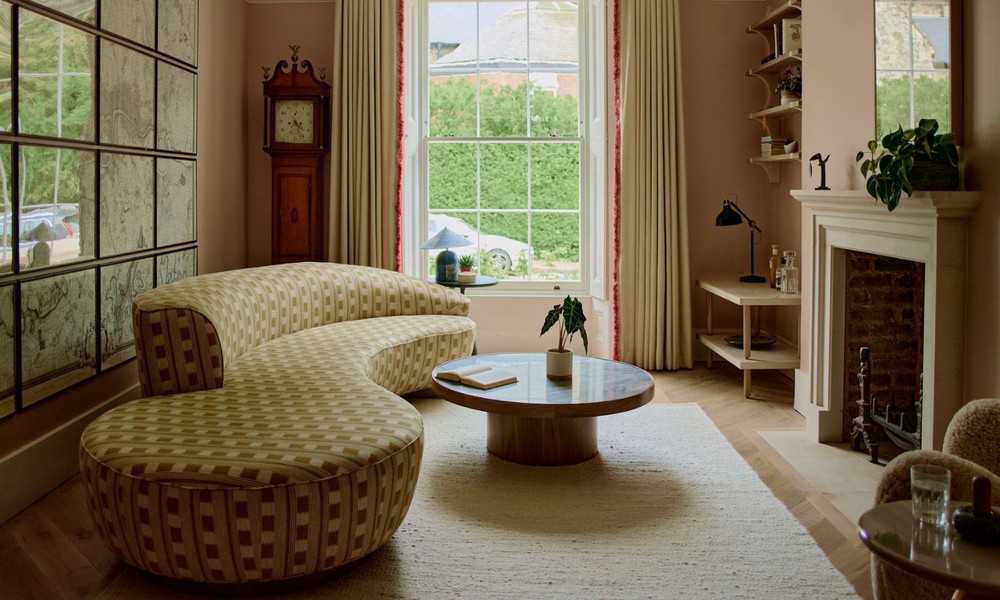
Nothing redefines the mood of a living space quite like a thoughtfully chosen sofa. As contemporary interiors move further away from stuffy tradition, the humble sofa has transformed into both a statement piece and a subtle design tool, shaping trends that ripple through every corner of the home.
Evolution of Sofa Designs in Contemporary Interiors
The journey from tufted Victorian settees to today’s sculptural masterpieces reflects much more than changing tastes. While traditional sofas once favored ornate woodwork and deep upholstery, modern designs have shifted toward clean silhouettes and uncluttered forms. This evolution mirrors broader movements in design, prioritizing comfort, function, and a sense of airiness over heavy embellishment.
Material innovation has played a crucial role. Advances in foam technology, eco-friendly textiles, and modular construction have enabled designers to rethink what a sofa can be, resulting in furniture that adapts to new architectural realities and contemporary lifestyles.
Diverse Contemporary Sofa Styles and Their Design Philosophies
Minimalist sofas are the purest expression of restraint. Their crisp lines and lack of unnecessary adornment create an atmosphere of calm and order, making them ideal for interiors that emphasize light and space. These pieces embody the “less is more” philosophy, bringing functional elegance to both small apartments and sprawling lofts.
In contrast, modular sofas embrace flexibility. Designed for homes that double as workspaces, playrooms, and entertainment zones, modular pieces can be rearranged to suit any occasion. Whether it is a cozy family movie night or an impromptu social gathering, these sofas respond to shifting needs with ease.
Statement sofas refuse to go unnoticed. Bold color choices, inventive shapes, and unique upholstery turn the sofa into an instant conversation starter. When a designer introduces a sculptural, vivid piece into a room, it anchors the aesthetic and often sets the tone for the entire interior.
Influence of Contemporary Sofas on Interior Spatial Dynamics
Sofa scale and shape wield surprising power over a room’s layout. A low-slung sofa can emphasize horizontal lines and make ceilings feel higher, while an oversized sectional naturally defines different functional zones within an open-plan setting. In small spaces, choosing a slender sofa with raised legs encourages visual flow and makes the room appear larger.
The rise of open-plan living has only amplified the impact of sofa design. These layouts require furniture that functions as both divider and connector, creating subtle boundaries without sacrificing openness. Sofas with integrated side tables, built-in storage, or modular extensions are common features in spaces where every square foot counts.
Comparing Fabric and Finish Choices in Modern Sofa Trends
Fabric choice is more than a tactile decision, it shapes the room’s character and influences longevity. Natural materials like linen and wool offer breathability and timeless appeal but may be more prone to wear. Synthetic fibers such as polyester and performance blends boast impressive durability and easy cleaning, ideal for busy households.
The interplay of texture and color is shaping contemporary interiors in fresh ways. While neutrals like greige and charcoal remain popular, designers are increasingly introducing rich jewel tones, sherbet pastels, and unexpected patterns to add depth and personality.
The Role of Avant-Garde Sofa Manufacturers in Trendsetting
Manufacturers at the cutting edge of design are not simply following trends, they are setting them. Through collaborations with architects and artists, brands like Avant-Scène introduce innovations that ripple throughout the industry. Their commitment to quality craftsmanship and creative exploration is evident in collections that balance usability with an artistic flair.
A closer look at Avant-Scene sofas reveals how thoughtful design and premium materials converge to create pieces that are both versatile and visually striking. By partnering with renowned designers, they bring new perspectives to classic forms, resulting in furniture that feels both current and enduring.
Contemporary Sofas as Focal Points vs. Complementary Elements
A sofa can either take center stage or quietly support the surrounding decor. In spaces built around a dramatic, eye-catching piece, the sofa drives the narrative, dictating everything from lighting choices to artwork. Conversely, in minimalist or layered interiors, the sofa may recede, its neutral palette and simple form allowing other elements to shine while providing essential comfort and grounding.
Sustainability and Ethical Considerations in Modern Sofa Production
As awareness of environmental impacts grows, sustainability is no longer a niche concern. Eco-friendly materials, recycled metals, FSC-certified woods, and upcycled fabrics, are increasingly standard in high-end and mid-market sofas alike. Companies are rethinking manufacturing processes, from water-based adhesives to energy-efficient production lines, to reduce their ecological footprint.
Consumer preference is clearly shifting. People want furniture that aligns with their values without sacrificing style or comfort. The demand for transparency around sourcing, manufacturing, and recyclability is reshaping what it means for a sofa to be “modern.”
Future Directions: Predicting the Next Wave of Sofa Influence on Interior Design
Emerging technologies are poised to take the sofa’s role even further. Smart sofas with built-in charging ports, adjustable lumbar support, and integrated speakers are on the horizon. Meanwhile, digital customization and 3D-printed components could soon offer unprecedented personalization.
As homes become more adaptive and multifaceted, the next generation of sofas will likely prioritize both flexibility and sustainability, responding to evolving tastes and ethical considerations. One thing remains clear: the contemporary sofa is not just a seat, it is a dynamic force in modern interior design.
